

Single-ply roofing gives commercial building owners several membrane options, but EPDM, TPO, and PVC should not be treated as interchangeable. Outdo Commercial Roofing installs single-ply systems across Southern Indiana, and the right choice depends on the existing roof, drainage, insulation, attachment method, rooftop activity, and the way each membrane is detailed and repaired. Call (574) 536-2823 to discuss the conditions that should be evaluated before a system is selected.
Comparing EPDM, TPO, and PVC
EPDM is a rubber membrane with a long history of commercial use. It is flexible and can be installed with different attachment approaches depending on the roof design. Its seams are typically completed with EPDM-specific tape or adhesive systems rather than heat welding.
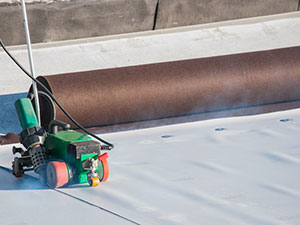
TPO is a thermoplastic membrane whose seams are commonly heat welded. Reflective TPO products may be considered when roof-surface heat gain is part of the building’s energy strategy, but actual building energy performance depends on the full roof assembly, insulation, HVAC system, occupancy, and operating conditions.
PVC is also a thermoplastic membrane with heat-welded seams. It may be evaluated where grease, chemicals, or other rooftop exposures are relevant, but suitability should be confirmed for the specific building and product rather than assumed from the membrane name alone.
For more detail on individual systems, Outdo Commercial Roofing also has guides to EPDM roofing and PVC roofing.
Which Single-Ply System Fits the Building?
| Condition to Review | What the Contractor Should Confirm |
|---|---|
| Substrate condition | Whether the deck and existing roof surface are sound, whether damaged materials need removal, and whether the proposed assembly can be supported properly. |
| Drainage | Whether drains, scuppers, slope, and low areas move water effectively and whether drainage corrections belong in the project scope. |
| Attachment | Which attachment method fits the deck, building design, and project requirements, and how perimeter and penetration details will be secured. |
| Insulation | What insulation is present, whether it is wet or damaged, and what insulation or cover-board work is included in the proposed assembly. |
| Rooftop activity | How often technicians or other personnel cross the roof and whether service paths or added protection are needed around frequently accessed equipment. |
| Detailing and service access | How curbs, walls, pipes, drains, edges, and equipment areas will be flashed and how future service work can be completed without unnecessary roof damage. |
These conditions matter regardless of membrane type. A sound system selection starts with what the building requires, not with a general claim that one membrane is always more durable, more efficient, or less expensive than the others.
Seam and Repair Compatibility Matter
One of the clearest differences among these systems is how seams and repairs are handled. TPO and PVC use heat-welded thermoplastic seams. EPDM uses a different seam approach and requires materials that are compatible with the rubber membrane. A repair product or technique intended for one membrane should not be assumed to work on another.
Before approving a proposal, ask the contractor to identify the membrane being specified, the seam method, the repair materials used for future service, and any manufacturer or system requirements that affect installation. If the existing roof is already single-ply, the contractor should confirm what membrane is present before recommending repair materials or a recover approach.
Separate System Selection from Installation
Choosing EPDM, TPO, or PVC is a system-selection decision. How that membrane will be installed is a separate project decision involving preparation, insulation, cover board, attachment, flashing, edges, penetrations, drainage, weather conditions, and site access. Outdo Commercial Roofing’s article on commercial roof installation and weather conditions provides additional context on installation planning.
The proposal should explain what preparation is included, what remains unknown, and what conditions could change the scope after work begins. Owners should also know what documentation will be provided at closeout and what maintenance expectations apply to the selected system.
Qualifying Performance and Cost Claims
Single-ply systems can offer strong commercial-roofing performance, but broad claims about energy savings, maintenance, recyclability, or total cost should be tied to the exact product and roof assembly. Reflectivity varies by membrane color and product. Maintenance needs depend on roof traffic, drainage, exposure, workmanship, and building use. Long-term cost depends on installation scope, repairs, insulation, access, and future service requirements as well as the membrane itself.
That is why owners should compare written scopes rather than relying on a short list of headline benefits. Two proposals naming the same membrane can still describe very different roof assemblies and levels of preparation.
Single-Ply Roofing in Southern Indiana
Outdo Commercial Roofing provides single-ply installation for TPO, PVC, and EPDM systems within its Southern Indiana service area. The right membrane should be selected after the contractor has evaluated substrate condition, drainage, attachment needs, insulation, rooftop activity, detailing, and service access.
Call Outdo Commercial Roofing at (574) 536-2823 to discuss a commercial single-ply roofing project and the building conditions that should guide system selection.
Frequently Asked Questions
What is the main difference between EPDM, TPO, and PVC seams?
TPO and PVC are thermoplastic membranes with heat-welded seams. EPDM is a rubber membrane and typically uses EPDM-specific tape or adhesive seam systems instead.
Can the same repair materials be used on all single-ply roofs?
No. Repair materials and procedures need to be compatible with the membrane that is actually installed, so the roof type should be confirmed before repair work begins.
Which single-ply membrane is best for a commercial building?
There is no universal best choice. The decision depends on the roof deck, drainage, insulation, attachment needs, rooftop exposure, service access, and project goals.
Does a reflective membrane guarantee lower energy bills?
No. Reflectivity can reduce roof-surface heat gain, but actual energy use also depends on insulation, HVAC performance, occupancy, climate, and other building conditions.