
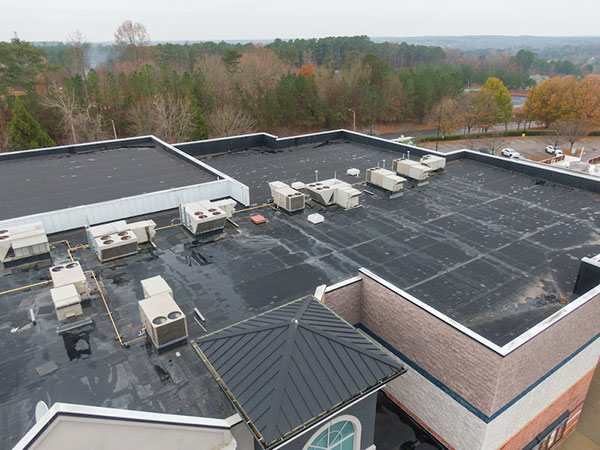
EPDM rubber roofing is known for dependable performance on commercial buildings, but years of weather exposure, rooftop activity, and natural membrane movement can create areas that need attention. Regular maintenance gives Evansville, IN property owners an opportunity to identify these predictable issues while targeted repairs remain practical. Rubber roof repair addresses localized membrane damage and vulnerable details before deterioration spreads across a larger portion of the roofing system. Call Outdo Commercial Roofing at (574) 536-2823 for rubber roof repair in Evansville, IN.
Rubber Roof Repair Starts with Aging Seams
EPDM roofing is installed in membrane sheets, creating seams where sections overlap or connect. These seams are designed to remain watertight, but years of expansion, contraction, moisture, and temperature changes can eventually affect their adhesion.
Early seam problems may appear as lifting edges, small gaps, or separation along a lap. Water can enter through these openings and reach insulation or other components below the membrane if the condition continues.
When the surrounding membrane remains serviceable, contractors can often address localized seam deterioration without replacing the entire roof. The affected area must be evaluated, properly prepared, and repaired using materials compatible with the existing EPDM system. Routine inspections help locate developing seam concerns that may otherwise remain unnoticed until an interior leak appears.
Punctures and Shrinkage Require Targeted Attention
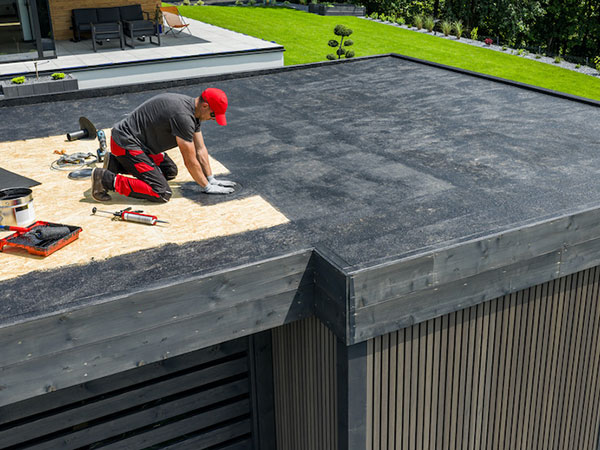
Commercial roofs often support HVAC equipment, vents, and other building systems that require periodic service. Foot traffic from maintenance personnel can expose an EPDM membrane to dropped tools, sharp objects, or repeated movement. Storm debris can also create punctures or cuts.
Small punctures may be difficult to see during a casual rooftop visit. A professional inspection can locate damaged areas and determine whether a targeted membrane repair can restore weather protection.
Shrinkage is another condition associated with aging EPDM. Over time, membrane movement can create tension where roofing terminates at walls, curbs, edges, and penetrations. This stress may pull against flashing or other transition details.
Repairing these conditions involves more than covering the visible opening. The source and extent of the tension need to be evaluated so the appropriate repair can address the affected membrane and surrounding details.
UV Exposure Gradually Changes Rubber Roofing
The exposed surface of a commercial roof receives years of ultraviolet radiation from sunlight. As EPDM ages, the surface can begin showing weathering or fine cracking sometimes described as crazing. These changes provide useful clues about the overall condition of the membrane.
Limited deterioration does not automatically mean the roof has reached the end of its service life. An inspection can determine whether the concern is primarily at the surface or whether deterioration has progressed enough to affect the membrane’s ability to perform.
Maintenance decisions should consider the entire roofing system. A roof with isolated seam, flashing, or puncture problems may remain a good candidate for targeted repairs. More widespread surface aging may lead to consideration of a compatible roof coating that creates a continuous protective layer over a qualifying existing membrane.
Knowing When Repair Is No Longer Enough
Targeted rubber roof repairs make the most sense when problems remain localized and the surrounding roof assembly is still in suitable condition. As deterioration becomes widespread, repeatedly repairing individual areas may no longer address the overall condition of the system.
A professional evaluation considers membrane condition, seams, flashing, penetrations, drainage areas, and signs of moisture beneath the surface. The amount and location of deterioration help determine the appropriate next step.
A coating may be considered when the existing roof remains a suitable restoration candidate but needs broader surface protection. Full replacement may become appropriate when deterioration is extensive, underlying components have significant damage, or the existing system can no longer provide a dependable foundation for continued repair or restoration.
Maintain Your Rubber Roof in Evansville
Routine inspections and prompt attention to seam separation, punctures, shrinkage, flashing problems, and surface deterioration can help preserve an EPDM roofing system. Monitoring these predictable aging points also gives property owners better information for deciding when targeted repair, restoration, or replacement is appropriate.
For rubber roof repair in Evansville, IN contact Outdo Commercial Roofing at (574) 536-2823 today.
FAQ
How can I tell whether my EPDM roof can still be repaired?
Repair may remain practical when damage is localized and the surrounding membrane and underlying roof components are in serviceable condition. Widespread deterioration, extensive moisture, or significant problems beneath the membrane may point toward a different solution.
What commonly causes damage to commercial rubber roofs?
Common causes include aging seams, membrane shrinkage, ultraviolet exposure, storm debris, foot traffic, dropped tools, and stress around penetrations or perimeter details. The specific cause should be identified before selecting a repair method.
Does temperature affect when rubber roof repairs can be completed?
Yes. Temperature and moisture conditions can affect the preparation, adhesion, and application requirements of repair materials. A contractor can determine whether current weather conditions are suitable for the specific repair system being used.