

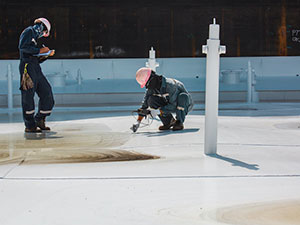
Preventive commercial roof maintenance is most useful when inspection findings are turned into a clear schedule of actions, records, and follow-up triggers. Outdo Commercial Roofing serves businesses across Southern Indiana. Call (574) 536-2823 to discuss a roof inspection or maintenance plan for your building.
Turning Inspection Findings Into a Maintenance Schedule
A maintenance plan should separate what the owner or facility team can safely observe from the ground or inside the building from work that requires professional roof access. The schedule should also reflect the roof system, current condition, repair history, written warranty or maintenance requirements, rooftop activity, and unusual weather events rather than one universal calendar interval.
| Timing or Trigger | Safe Owner Observation | Contractor-Level Work | Record and Follow-Up |
|---|---|---|---|
| Planned seasonal review | Look for interior stains, visible debris, obvious discharge problems, or changes that can be seen safely without walking the roof. | Check drains and scuppers, seams, flashing, penetrations, edges, repairs, membrane or coating condition, and other system-specific details. | Keep dated photos, findings, completed actions, and items that need monitoring. |
| After severe weather | Note new interior leaks, visible debris, displaced exterior components, or other changes observable from a safe location. | Inspect areas vulnerable to wind, hail, impact, flashing movement, punctures, drainage blockage, or other storm-related damage. | Record what changed from the prior condition and whether repair or further investigation is required. |
| After rooftop service work | Record when other trades accessed the roof and whether any interior symptom appeared afterward. | Inspect traffic paths, penetrations, equipment curbs, membrane surfaces, and affected details when damage is suspected. | Link any repair to the service event and preserve photos of the affected area. |
| Recurring leak or monitored defect | Document when and where the symptom returned. | Compare the current condition with earlier findings and determine whether the issue remains localized or needs broader assessment. | Escalate the priority if repeated repair is no longer reliable. |
Use Priority Levels Instead of a Generic Repair List
Inspection findings should be sorted by urgency and consequence. An active leak, unsafe condition, open flashing, or defect that can allow immediate water entry may need prompt attention. A minor condition that is stable may be scheduled for repair or monitored at the next appropriate inspection.
The report should explain why an item has been assigned its priority. That makes the maintenance schedule more useful for budgeting and helps the owner distinguish between work that needs action now and work that can be tracked over time.
Moisture Findings Need Context
A professional inspection may use moisture-screening methods when concealed water is suspected, but a screening result is not automatic proof of saturated insulation. Roof construction, weather, surface conditions, insulation type, and the diagnostic method can affect the finding.
If suspected moisture would materially change the repair, restoration, or replacement scope, the contractor should explain how the finding will be confirmed. That keeps the maintenance plan tied to evidence rather than treating every stain or scan result as proof of hidden damage.

Track Completed Work and Warranty Requirements
Keep a record of each inspection, maintenance visit, repair, and follow-up. Useful records include the date, roof area, condition found, photos, work completed, materials or repair method when relevant, and any item that remains open.
If the roof has a manufacturer, system, or workmanship warranty, review the actual written terms for inspection, maintenance, notification, and repair requirements. Some warranties include specific owner duties, but those requirements vary. Do not assume every roof follows the same maintenance schedule or that one missed visit automatically voids coverage.
Preventive Maintenance Has Limits
Maintenance can reduce risk, identify small defects earlier, and help extend the useful service of a roof that remains repairable. It cannot guarantee that every leak or storm-related problem will be prevented, and it cannot correct conditions that require a different scope, such as widespread wet insulation, deteriorated decking, repeated failures across several areas, or unresolved drainage problems.
Outdo Commercial Roofing’s maintenance and repairs information provides related context for ongoing roof care. The company’s commercial roof inspection article is also relevant when an owner needs to understand what evidence should be documented before work is prioritized.
Build Follow-Up Triggers Into the Plan
A practical schedule should state when the roof needs another look instead of relying only on a recurring calendar date. Follow-up may be triggered by a new leak, a severe weather event, repeat failure at a repaired area, changes in drainage, rooftop equipment work, or a monitored defect that has progressed.
That approach keeps maintenance connected to the roof’s actual condition. It also gives facility teams a clear reason to request another inspection instead of waiting until a minor problem becomes an operational issue.
Commercial Roof Maintenance in Southern Indiana
Outdo Commercial Roofing provides commercial roofing services across Southern Indiana. For a useful preventive-maintenance program, start with documented inspection findings, set priorities, assign follow-up triggers, and keep records of completed work and any warranty-related requirements.
Contact Outdo Commercial Roofing or call (574) 536-2823 to discuss a commercial roof maintenance plan.
Frequently Asked Questions
What can a building owner safely check without walking the roof?
Owners can document interior stains, visible debris, obvious drainage or discharge problems, and other changes observable from the ground or a safe interior location.
Does preventive maintenance guarantee that a commercial roof will not leak?
No. Maintenance can reduce risk and identify defects earlier, but it cannot prevent every leak, storm event, or concealed condition.
How often should a commercial roof be inspected?
The interval should follow the roof system, condition, repair history, rooftop activity, written warranty or maintenance requirements, and unusual events rather than one universal schedule.
Why should maintenance work be documented?
Records help owners track recurring conditions, verify completed repairs, plan future work, and demonstrate compliance with any applicable written warranty or maintenance requirements.