

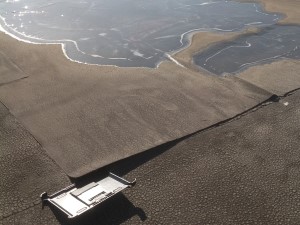
A commercial roof inspection is most useful when it produces evidence the owner can use to decide what happens next. For a Southern Indiana property, that means more than a verbal summary or a list of generic concerns. A useful inspection report should show what was observed, where each condition is located, what remains uncertain, which items deserve attention first, and what information is needed before a repair or replacement scope is approved. Outdo Commercial Roofing can be reached at (574) 536-2823 to discuss commercial roof inspection and maintenance and repair needs.
What a Commercial Roof Inspection Report Should Include
The report should create a baseline that can be compared with future conditions. The five items below help turn inspection findings into maintenance, repair, or replacement decisions without treating every observation as proof of concealed damage.
1. Dated Photos and Defect Locations. Documented issues should be tied to specific roof locations rather than described only in general terms. Photos are most useful when they can be matched to a roof plan, diagram, grid, or clearly identified area. This helps the owner compare the same location later and gives a contractor a better starting point when preparing a scoped estimate.
2. Moisture or Thermal Findings With Clear Limitations. Thermal or moisture-related tools can help flag areas that deserve more investigation, but they do not prove the presence or extent of hidden damage by themselves. Results can be affected by roof construction, insulation, surface conditions, weather, timing, and other factors. If an area is flagged, the report should explain whether further professional investigation is recommended before the condition is treated as confirmed.
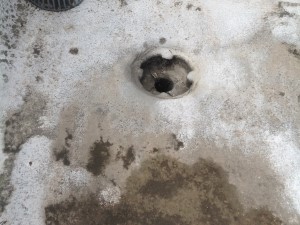
3. A Prioritized Action List. Not every finding has the same urgency. The report should distinguish conditions that need prompt corrective work from items that can be monitored, included in planned maintenance, or investigated further. That lets the owner build a repair plan around evidence instead of treating every line item as an immediate emergency.
4. Reinspection Triggers. A useful report should explain what would justify another review. That might be a major weather event, new interior leakage, movement at a monitored detail, completion of a repair, or a condition-specific follow-up interval. There is no universal schedule that fits every commercial roof, so the trigger should reflect the roof condition, written maintenance requirements, prior repairs, rooftop activity, and the findings in the current report.
5. A Complete Record for the Owner or Property Manager. The owner or designated property manager should receive the full report, not only a short summary. A contractor preparing a repair or restoration estimate should be able to reference the documented locations, priorities, and known limitations so the estimate is connected to the inspection evidence. The report should also identify any assumptions or unknown conditions that could change the final scope.
How the Report Should Separate Findings From Unknowns
Visible conditions and concealed conditions should not be blended together. An open seam, damaged flashing, puncture, displaced edge detail, blocked drain, or visible membrane deterioration can be documented directly when it is observable. Wet insulation, deck deterioration, or the full path of a leak may remain uncertain until additional investigation is completed.
A strong report makes that distinction clear. It should say what was observed, what is suspected, and what would be needed to confirm a concealed condition. That prevents a screening result or surface symptom from being treated as a final diagnosis.
Using the Inspection Report to Build a Scoped Estimate
The next estimate should follow the evidence in the report. If the inspection identifies one isolated flashing defect, the contractor can define a localized repair area. If several related conditions appear across the roof, or if concealed moisture is suspected beyond the visible issue, the estimate may need to include further investigation or a broader scope.
The owner should be able to trace each major estimate item back to an inspection finding, location, or documented unknown. If the proposed work extends beyond the inspection evidence, the contractor should explain why and identify the assumptions behind that recommendation.
Tracking Corrective Work Over Time
Inspection reports become more valuable when they are retained with repair records. After corrective work is completed, the owner should keep documentation showing what was repaired, where it was performed, what changed from the original scope, and whether any items remain under observation.
Future inspections can then compare the same roof locations instead of starting from scratch. This helps distinguish a recurring problem from a new condition and gives the owner a clearer history for maintenance planning.
Commercial Roof Inspection Documentation in Southern Indiana
For a commercial property in Southern Indiana, the most useful inspection is one that produces a record the owner can act on. Dated photos, located findings, clearly stated moisture limitations, prioritized actions, reinspection triggers, and a complete report create a better basis for maintenance, repair, restoration, or replacement decisions.
To discuss a commercial roof inspection or related maintenance and repair needs, contact Outdo Commercial Roofing at (574) 536-2823.
Frequently Asked Questions
What should I receive after a commercial roof inspection?
You should receive a written report with located findings, useful photos, priorities, unresolved conditions, and recommended next steps.
Do thermal or moisture findings prove hidden roof damage?
No. They can help flag areas for further investigation, but the result depends on the roof assembly and test conditions and may need additional confirmation.
How often should a commercial roof be reinspected?
The timing should follow roof condition, written maintenance or warranty requirements, repair history, rooftop activity, major weather events, and any triggers identified in the current report.
Can an inspection report help with an insurance claim?
Dated photos and documented findings can provide useful condition history, but claim handling and coverage depend on the policy, carrier, cause of loss, and other evidence.