
Outdo Commercial Roofing provides commercial roofing in Goshen, IN and nearby parts of Indiana. We install, repair, and maintain single-ply membranes, roof coatings, and spray foam systems. Our founder, Mervin Stutzman, has more than a decade of construction experience, and that background shapes how we approach roofing.
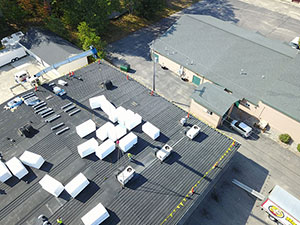
Weather is one of the biggest threats to a flat roof. When a storm hits, timely commercial roofing services can keep a small leak from turning into a costly repair. Below, we explain each roof system we work with, what the job really involves, and how to choose the right one for your building.
Why Our Building Background Matters
Before we focused on commercial roofing, our team built pole barns and framed houses. That work taught us how a building fits together, from the walls up to the roof deck.
Here is one way that knowledge matters. Before a new roof is installed, the accessible deck should be checked for soft, rotted, or rusted spots. A new membrane laid over a weak deck will not last, no matter how well it is installed. A construction background helps put roofing concerns in the context of the building beneath them.
Single-Ply Membranes: TPO and PVC
Single-ply roofs are some of the most common commercial roofing systems today. They come in large, flat sheets that form the roof’s waterproofing layer. We install two main types.
TPO Roofing
TPO is a white or light-colored sheet that reflects sunlight. This helps keep the building cooler in summer and can lower cooling costs.
A TPO install usually involves these steps:
- Prep the roof. Prepare the surface, check the deck, and remove old layers when needed.
- Add insulation. Install suitable insulation and any required cover board, secured according to the approved roof assembly.
- Lay the sheets. Roll out the TPO sheets and attach them using the specified fastening or adhesive system.
- Weld the seams. A hot-air welder fuses the overlapping sheets to create watertight joints.
- Flash the details. Walls, curbs, pipes, and drains receive compatible flashing to keep water out.
PVC Roofing
PVC looks a lot like TPO, but it generally offers greater resistance to grease, oils, and certain chemicals. That makes it a strong option for restaurants, food plants, and buildings with kitchen exhaust on the roof. The selected product must be suitable for the specific exposure.
PVC seams are heat-welded, just like TPO, and the installation steps are similar. The main difference is what the roof will be exposed to.
Roof Coatings: Adding Life to an Older Roof
Sometimes a roof does not need to be torn off. If the base roof is sound, dry, and compatible with the proposed coating, a coating can help restore its weather protection and add years of use. This often costs less than a full replacement.
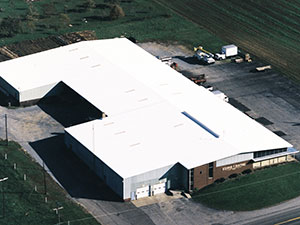
A coating job is more than painting the roof. Here is the work typically involved:
- Inspect the roof. Evaluate its condition, including signs of wet insulation, soft spots, and failed seams. Separate moisture testing may be needed. A coating will not fix a roof that is soaked underneath.
- Clean the surface. Remove dirt, chalky residue, and loose material using methods compatible with the roof and coating manufacturer’s requirements.
- Fix problem areas. Repair seams, cracks, blisters, and leaks before the coating goes on.
- Prime if needed. Some roof surfaces need a primer so the coating bonds well.
- Apply the coating. Apply the specified product at the manufacturer’s required coverage and thickness. The number of coats depends on the system.
Two common types are silicone and acrylic. Some silicone coatings are rated for ponding-water exposure, while acrylic coatings generally require positive drainage. Neither replaces the need to address drainage problems. Product compatibility, roof condition, and manufacturer requirements guide the choice.
Spray Foam Roofing
Spray foam roofing, also called SPF, goes on as a liquid and expands into a firm foam layer. It forms a continuous surface, reducing field seams where leaks might otherwise start. Edges, penetrations, and other details still need careful treatment.
A spray foam job generally follows these steps:
- Prep the surface. Clean the roof and confirm that the substrate is dry, sound, and suitable for the system.
- Spray the foam. Apply the foam in layers to the specified thickness and profile.
- Coat the foam. Add a compatible protective coating because foam must be shielded from the sun.
Spray foam also adds insulation, which can help lower heating and cooling costs. It can suit roofs with odd shapes or many rooftop details when the substrate, access, and application conditions are appropriate.
Repairs, Leaks, and Upkeep
Most roof problems start out small. A seam pulls loose, or a spot near the drain wears thin. If you fix these early, you can avoid a much bigger repair later. Depending on the roof system and its condition, repair and maintenance work may include:
- Tracking down where a leak starts, since water often travels before it drips inside
- Patching damaged areas or repairing open seams with compatible materials and methods
- Repairing flashing around walls, vents, and rooftop units
- Clearing drainage debris and evaluating areas where water sits on the roof
When repairs are no longer practical, full roof replacement may be the better option.
Regular checkups help catch problems early. Inspection once or twice a year, along with checks after severe weather, helps identify maintenance needs before leaks cause further damage.
Help When Storms Hit
Hail, high winds, and heavy rain can damage a commercial roof fast. Sheets can lift, seams can split, and debris can puncture the surface. After a storm, you need someone who knows what to look for and how to record it.
The role of a commercial storm damage roofer includes assessing accessible roof areas and documenting observed damage with photos and written findings. Outdo offers storm-related roofing support and can help you understand the insurance claim process. Your insurer determines coverage under your policy.
Choosing the Right Commercial Roofing System
There is no single best roof for every building. The right choice depends on:
- How old your current roof is and what shape it is in
- Whether the roof holds water after it rains
- What sits on the roof, such as grease vents or HVAC units
- Your budget and how long you plan to own the building
These factors help determine which commercial roofing system fits the building. The most expensive option is not automatically the best choice.
Call Outdo for Commercial Roofing in Goshen, IN
If your roof is leaking, aging, or was hit by a storm, contact Outdo Commercial Roofing to discuss its condition and your options. Call 574-536-2823 to schedule an inspection for your Goshen, IN building.
Frequently Asked Questions
1. What is the most common type of commercial roofing?
TPO is one of the most common commercial roofing systems today. It is typically light-colored, reflects heat, and has heat-welded seams. Many flat and low-slope buildings use it because it offers good value.
2. What is the difference between TPO and PVC roofing?
Both are single-ply sheets with heat-welded seams. PVC generally offers greater resistance to grease, oil, and certain chemicals. That can make it a better fit for restaurants and food plants, provided the selected membrane is approved for the expected exposure.
3. Can a roof coating replace a full roof replacement?
Sometimes a coating can be an alternative to replacement. The existing roof must be sound, dry, and compatible with the coating system. A badly damaged roof or one with widespread wet insulation needs those problems addressed first and may require replacement.
4. How long does a commercial roof last?
Service life depends on the system, installation, climate, and maintenance. Single-ply roofs can provide decades of service, while coatings and spray foam systems need periodic inspection and renewal of their protective coating. Recoating intervals depend on the product, coating thickness, and observed condition rather than a fixed schedule for every roof.
5. How often should a commercial roof be inspected?
Most roofs should be checked at least once or twice a year. It is also smart to have the roof inspected after a major storm. Follow any additional inspection and maintenance requirements from the roof manufacturer.
6. What should I do if my commercial roof is damaged in a storm?
First, keep people away from unsafe areas and move items away from leaks if it is safe to do so. Then call a commercial roofer to inspect the damage and document the findings. These records can help when you file an insurance claim.