
Storms in Indiana can be rough on business roofs. High winds pull at the edges, hail beats down on the surface, and heavy rain looks for any weak spot it can find. A commercial storm damage roofer is the person you call to find that damage, address leaks, and repair the roof. For businesses seeking timely commercial roofing services after a storm in Goshen, IN, contact Outdo Commercial Roofing at 574-536-2823 to discuss the damage and scheduling.
Here is a simple look at how the process works, from the first visit to the last check.
It Starts With a Good Roof Check
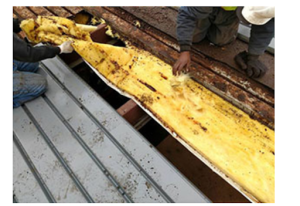
Some storm damage is easy to see. A torn edge, a bent piece of metal, or a branch lying on the roof will catch your eye right away. But a lot of damage is much harder to spot.
Hail is a good example. Depending on the roof material and its condition, hail can cause punctures, fractures, or damage that is difficult to see. The roof may not leak right away. Later movement and weather exposure can make a weakened area more vulnerable to water entry.
A thorough post-storm roof check should cover the whole accessible roof surface. It should include the seams, since these are common leak points on flat roofs, and the flashing around walls, vents, and AC units. Drains should be checked for blockages so water can run off. Interior checks, when safe access is available, can help identify wet ceiling tiles, stains, or drips.
Photos help show what was found, even if you never set foot on the roof.
Then We Stop the Water
If water is getting in, that has to be handled first. Water does not stay in one place. It can soak the insulation, run along the deck, and show up far from where it came in. It can ruin ceilings, stock, and equipment, and it can lead to mold.
If your roof has an open spot or an active leak, temporary protection may be needed before permanent repairs. This is called temporary stabilization. Depending on the roof system, damage, and safe working conditions, it might involve a secured covering, a compatible temporary patch, sealing an open seam, or clearing a blocked drain.
This is not the final repair. Think of it like a bandage. It helps limit further water entry until the permanent work can be done. A suitable temporary fix can reduce additional damage, but it still needs monitoring and timely replacement with a lasting repair.
You Get a Written Repair Plan
Once urgent hazards and water entry have been addressed, the proposed work should be put in writing. This is called the repair scope. It should tell you where the damage is, what was observed, what needs to be fixed or replaced, which materials are proposed, and about how long the job should take. Any uncertainty about the cause or extent of damage should be explained.
Photos alongside the scope make the plan easier to follow. You should never have to guess what you are paying for.
Many owners also use this documentation if they decide to file an insurance claim. Photos and written findings can help record the roof’s condition, but they do not determine coverage. Coverage depends on the policy and the insurer’s assessment of the claim.
Fixing the Damage the Right Way
After the repair plan is approved, timing, noise, access, and work areas should be agreed on before the crew starts. Clear coordination helps reduce disruption to your business and staff.
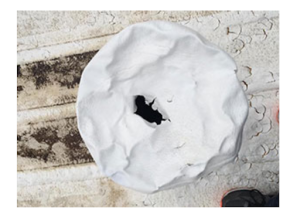
The repair itself depends on what kind of roof you have. EPDM is a rubber roofing membrane used on many commercial flat roofs. It holds up well, but strong storms can still puncture it or damage seams and flashing. EPDM repairs need compatible materials and proper surface preparation.
Some jobs only need a few patches or seam repairs. Others need a whole section of roofing replaced, along with wet insulation underneath. Metal edges, flashing, drains, or gutters may also need attention. Repair materials should match the existing roof system and be installed according to the applicable manufacturer’s instructions. A good repair helps restore weather protection without making the roof storm-proof.
Checking the Completed Repair
A final inspection should confirm that the repair matches the agreed scope and that seams, patches, and flashing details have been checked using methods appropriate to the roof system. A final walkthrough or photo review can help you understand what was completed.
Watching the affected area after the next heavy rain is useful, especially when the leak source was difficult to identify. Any follow-up visit should be agreed on with the contractor. If an area needs monitoring, the closeout notes should explain what to watch for and when further assessment is recommended.
Signs Your Roof May Be Damaged
You do not have to go up on the roof to know something might be wrong. Water spots on the ceiling are a big clue. So are drips during rain, pieces of roofing in the parking lot, a musty smell inside, or persistent standing water visible from a safe location.
If you notice any of these, call a roofer soon. And please stay off the roof yourself after a storm. A wet, damaged roof can be slippery and unsafe.
Why Businesses in Goshen Call Outdo
Commercial storm damage calls for an understanding of the roof system, the visible damage, and any conditions that need further investigation. When contacting Outdo Commercial Roofing, discuss inspection availability, temporary protection, and the proposed repair process.
A clear written scope, supporting photos, and agreed follow-up arrangements help you understand the work before it begins. The recommendation should explain whether a localized repair is suitable or whether the roof needs a broader assessment.
Talk to a Commercial Storm Damage Roofer Today
Storm damage will not fix itself, and additional rain can make water damage worse. Acting promptly helps limit the harm to your building. If you need a commercial storm damage roofer in Goshen, IN, call Outdo Commercial Roofing at 574-536-2823 to discuss your roof and the next step.
Frequently Asked Questions
1. How soon should I call a roofer after a storm?
Call as soon as it is safe, especially if water is getting inside or roofing materials have come loose. Inspection timing depends on site conditions, weather, and contractor availability. Prompt assessment can help identify problems before more rain causes additional damage.
2. Can my roof be damaged even if I don’t see a leak?
Yes. Storms can damage seams, flashing, or the roof surface without causing an immediate interior leak. Moisture can also enter insulation before it becomes visible inside the building.
3. What is a temporary roof fix?
It is a short-term measure, such as a suitable covering or compatible patch, that helps limit water entry until permanent repairs can be completed. The method depends on the roof and the damage. Temporary protection needs monitoring and is not a substitute for the final repair.
4. Will insurance pay for my roof repair?
That depends on your policy, the cause of the damage, and the insurer’s assessment. Dated photos and written inspection findings can support documentation, but they do not guarantee coverage or payment.
5. Do I need to close my business during the repair?
Not necessarily. Many repairs can be completed while a building remains occupied, but safety, damage severity, access, noise, and the repair method affect that decision. Agree on any restricted areas or temporary closures with the contractor before work begins.
6. How can I help my roof last through the next storm?
Have your roof checked twice a year and after significant storms. Keep drains clear and address small problems early. Follow the maintenance requirements for your roof system and any applicable warranty.