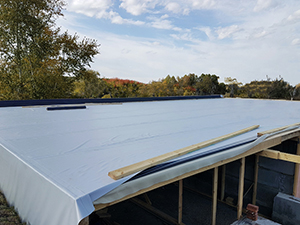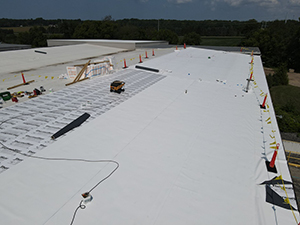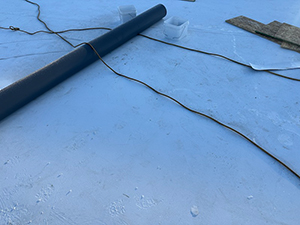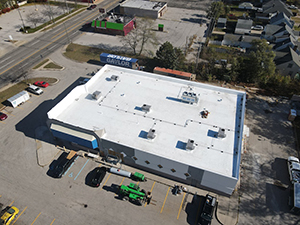

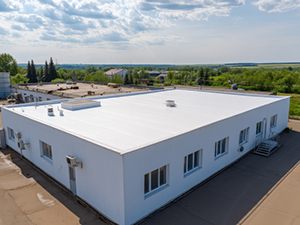
Commercial roofing systems are essential for protecting business properties from water intrusion, weather damage, and structural problems. Among the many options available, TPO (Thermoplastic Polyolefin) roofing has become a leading choice for flat and low-slope commercial roofs due to its durability, energy efficiency, and cost-effectiveness. A key feature that contributes to the long-term performance of TPO roofing is heat-welded seams.
For businesses in Shelbyville, Indiana, collaborating with trusted contractors like Outdo Commercial Roofing at (574) 536-2823 ensures that TPO roofing systems are installed correctly, maximizing the benefits of heat-welded seams. Understanding how these seams improve roofing performance helps building owners make informed decisions about their commercial roofing investments.
TPO Roofing: The Strength is in the Seams
TPO roofing membranes are manufactured in large sheets that must be joined together during installation. These joints, or seams, are critical points in the roofing system because they must maintain a watertight seal to prevent leaks.
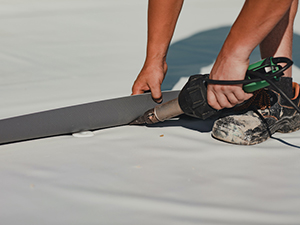
Heat-welded seams involve using specialized hot-air welding equipment to fuse the edges of TPO sheets together. This process creates a continuous, uniform bond that is stronger than alternative seam methods such as adhesive bonding or tape systems. Properly heat-welded seams are seamless, flexible, and resistant to separation, even under extreme weather conditions.
Durability and Long-Term Performance
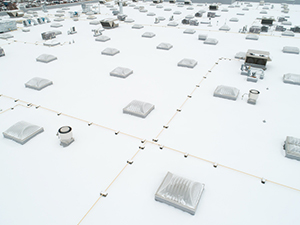
One of the primary advantages of heat-welded seams is their contribution to the overall durability of the roofing system. In commercial roofs, seams are often the first area where leaks or failures occur because they are subjected to expansion, contraction, and wind stress.
Heat welding creates a strong chemical and mechanical bond between TPO sheets, reducing the risk of seam failure. This means the roof maintains its waterproofing capability for decades, even in areas with temperature fluctuations or high wind loads, such as Shelbyville, Indiana.
By ensuring seams are heat-welded correctly, contractors like Outdo Commercial Roofing help protect the building’s interior and structural components from costly water damage.
Energy Efficiency Benefits
TPO roofing is known for its reflective properties, which help reduce heat absorption and lower energy costs. Heat-welded seams play a significant role in maintaining these energy efficiency benefits.
Unlike alternative seam methods that may degrade over time and allow air or water infiltration, heat-welded seams remain tight and continuous. This ensures the roof maintains its reflective capabilities, helping commercial buildings reduce cooling demands during sweltering summer months.
Additionally, the uniformity of heat-welded seams prevents gaps that can compromise insulation performance, further supporting energy efficiency.
Resistance to Harsh Weather
Commercial roofs are constantly exposed to the elements, including heavy rain, snow, and fierce winds. Heat-welded seams are specifically designed to withstand these stresses.
The strong bond created during the welding process prevents the seams from lifting, splitting, or allowing water penetration during storms. This durability is particularly valuable in regions like Shelbyville, Indiana, where seasonal weather can place significant stress on roofing systems.
By using professional installation techniques, Outdo Commercial Roofing ensures that TPO roofs with heat-welded seams remain secure and dependable throughout the roof’s lifespan.
Reduced Maintenance and Repair Costs
A well-installed TPO roof with heat-welded seams requires less maintenance than roofs using alternative seam methods. Because the seams are strong and leak-resistant, there are fewer instances of patching, resealing, or emergency repairs.
This reduces both long-term maintenance costs and the risk of operational disruptions for businesses. Investing in heat-welded seams during the initial installation provides significant cost savings over the life of the roof.
The Importance of Professional Installation
The benefits of heat-welded seams are fully realized only when the TPO roofing system is installed correctly. Improper welding techniques can lead to weak seams, membrane wrinkling, or partial bonding, which compromise the roof’s performance.
Experienced contractors like Outdo Commercial Roofing in Shelbyville, Indiana use skilled technicians and specialized equipment to ensure all seams are properly heat-welded. Professional installation guarantees that the roof meets manufacturer specifications and retains its warranty coverage.
TPO Roofing Experts
Heat-welded seams are a defining feature of TPO roofing systems, providing superior durability, weather resistance, and energy efficiency. Commercial buildings in Shelbyville, Indiana benefit from the long-term protection these seams offer, especially when installed by professional contractors like Outdo Commercial Roofing. Call (574) 536-2823 today to schedule your consultation.
By investing in a TPO roofing system with properly heat-welded seams, building owners can reduce maintenance costs, extend roof lifespan, and protect their property from water damage and weather-related issues.
FAQ
Why are heat-welded seams better than adhesive or tape seams?
Heat-welded seams create a continuous, uniform bond that is stronger and more durable than adhesive or tape, reducing the risk of leaks.
How long do TPO roofs with heat-welded seams typically last?
When properly installed and maintained, TPO roofs with heat-welded seams can last 20 to 30 years or more.
Can heat-welded seams withstand extreme weather conditions?
Yes. Properly welded seams are designed to resist wind, rain, snow, and temperature fluctuations, making them ideal for commercial roofing.
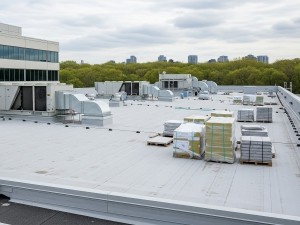 Managing a large commercial building comes with many responsibilities, and one of the most important is maintaining a reliable roof.
 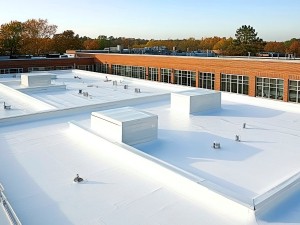 Planning Commercial Roofing Budgets
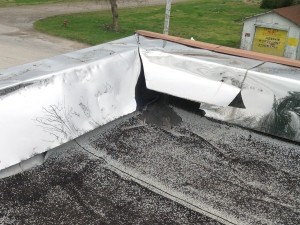 Commercial Roof Inspection: What It Includes and Why It Matters
 How Often Commercial Roofs Should Be Inspected