

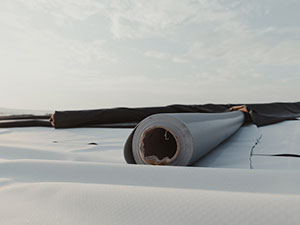
Single-ply roofing can support green building goals, but the membrane should be selected for the building rather than chosen from headline claims about energy savings, recyclability, or sustainability. Outdo Commercial Roofing installs TPO, PVC, and EPDM single-ply systems for commercial properties in Southern Indiana. Call (574) 536-2823 to discuss which system fits your roof and operating needs.
Environmental Tradeoffs of Single-Ply Roofing
Single-ply membranes are relatively lightweight roofing systems, which can reduce the amount of material handled during installation compared with heavier assemblies. That does not establish a building’s overall carbon footprint by itself. Manufacturing, transportation, insulation, service life, maintenance, repairability, and end-of-life handling all affect the environmental result.
Recyclability also needs to be confirmed for the actual membrane and project location. Some roofing materials may be technically recyclable, but that does not mean a local or regional recycler or manufacturer take-back program will accept the removed material. Before treating recyclability as a project benefit, ask what program is available, which material it accepts, and what preparation or transportation is required.
Reflectivity and Energy Performance
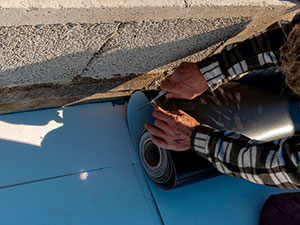
Light-colored TPO and PVC products are commonly used when roof-surface reflectivity is a project priority. Reflectivity can reduce solar heat absorbed at the roof surface, but it does not guarantee a specific reduction in utility costs. Building use, insulation, HVAC performance, climate, roof exposure, membrane color, and surrounding conditions all affect the result. Outdo’s TPO roofing article provides additional system-specific context.
Single-Ply Suitability Matrix
The environmental benefit of a membrane matters only if the roof is suitable for the system and can perform over time. Use the same questions when comparing TPO, PVC, EPDM, or another proposed single-ply assembly.
| Decision Factor | What the Contractor Should Confirm | Why It Matters |
|---|---|---|
| Substrate condition | Whether the deck, existing roof, cover board, and other retained materials are dry, stable, and suitable for the proposed assembly. | A membrane cannot correct deteriorated or unstable supporting materials that should be repaired or removed first. |
| Drainage | How water reaches drains, scuppers, or other approved outlets and whether ponding or slope problems need correction. | Membrane selection alone does not solve an underlying drainage problem. |
| Attachment | Whether the system will be adhered, mechanically attached, ballasted, or installed by another approved method for this roof. | Attachment affects substrate preparation, wind design, penetrations, and future repair access. |
| Insulation | Existing insulation condition and the insulation level or assembly needed for the building and applicable project requirements. | Energy performance depends on the full roof assembly, not the membrane by itself. |
| Rooftop activity | Expected service traffic, equipment access, maintenance routes, and areas that may need additional protection. | Frequent traffic can change protection, walkway, and repair-planning needs. |
| Detailing | Parapets, curbs, penetrations, drains, transitions, edges, and other details that must be integrated into the membrane system. | Complex details can influence which system and repair methods are practical. |
| Service access | How future HVAC, electrical, solar, or other service work will reach equipment without damaging the roof. | Future access should be planned so rooftop work does not create avoidable membrane damage. |
Seams, Repairs, and Compatibility
Single-ply membranes are not repaired the same way. TPO and PVC are thermoplastic membranes that commonly use heat-welded seams, while EPDM commonly relies on compatible seam tapes, adhesives, primers, and repair materials. A contractor should identify the existing membrane correctly before specifying a repair, tie-in, or future addition.
Prior coatings, sealants, patches, contamination, and weathering can affect compatibility and adhesion. If you are comparing membrane types, Outdo’s EPDM roofing article and single-ply systems overview provide additional background. The project proposal should still explain why the selected system fits this building rather than relying on a general material reputation.
Solar, Vegetative Roofs, and Future Rooftop Use
Single-ply roofing does not automatically make a building ready for solar panels or a vegetative roof. Solar racking can add loads, penetrations, attachment points, and service traffic. Vegetative assemblies add saturated weight, drainage, root-barrier, and maintenance requirements. Before either system is added, the building structure, roof assembly, drainage, membrane details, attachment method, and warranty requirements should be reviewed for compatibility.
Service Life and Maintenance Matter
A roof that reaches a long service life may reduce the frequency of tear-off and replacement, but no membrane has a universal lifespan. Installation quality, drainage, exposure, rooftop traffic, maintenance, repairs, and system selection all affect performance. Outdo’s maintenance and repairs service provides a separate reference for ongoing roof care after installation.
Single-Ply Roofing for Green Building Initiatives
For Southern Indiana building owners, the most useful sustainability comparison is specific to the project. Confirm substrate and moisture condition, drainage, attachment, insulation, service traffic, detailing, repair compatibility, realistic reflectivity benefits, and actual recycling options before choosing a membrane.
Contact Outdo Commercial Roofing at (574) 536-2823 to discuss single-ply roofing options for your commercial building.
Frequently Asked Questions
Is single-ply roofing automatically an environmentally friendly choice?
No. Environmental performance depends on the membrane, insulation, service life, maintenance, transportation, and what recycling or take-back options actually exist for the project.
Does reflective single-ply roofing always lower energy costs?
No. Reflectivity can reduce roof-surface heat absorption, but utility savings depend on the full building, roof assembly, climate, exposure, and HVAC system.
Can solar panels or a vegetative roof go over any single-ply membrane?
No. Structural capacity, drainage, membrane compatibility, attachment details, service access, and warranty requirements should be reviewed before either system is added.
Do TPO, PVC, and EPDM use the same seam and repair methods?
No. TPO and PVC commonly use heat-welded seams, while EPDM commonly uses compatible tapes and adhesives, so repair materials and procedures need to match the actual membrane.