
A commercial roof coating only works well when it matches your roof. For building owners in Goshen, IN, the best choice depends on the roof surface, whether moisture is trapped inside, and how well the roof is prepared. If you want to learn why coatings are worth considering, read our guide on the Advantages of Commercial Roof Coating. Here, we focus on choosing the right coating.
Why Choosing the Right Commercial Roof Coating Matters
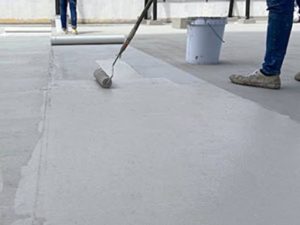
A coating is a thick liquid that cures into a protective layer over your roof. When the coating doesn’t match the roof, problems can show up. It can peel, crack, or fail to bond. Coating over trapped moisture can also lead to blisters, deterioration, and paying for the job twice.
It also helps to know what a coating can’t do. A coating needs a sound roof beneath it. Underlying leaks, damaged materials, and structural problems must be addressed before application. That is why the steps below matter so much.
Step 1: Know Your Roof Surface (Substrate Compatibility)
The “substrate” is the roof surface the coating sticks to. Not every coating sticks to every surface. Here is a simple guide:
- Metal roofs: Compatible acrylic and silicone systems may be suitable. Rust must be addressed, and loose or damaged fasteners repaired before coating.
- TPO and PVC (single-ply): These surfaces may need specific cleaners and primers, depending on the membrane and coating system.
- EPDM (black rubber): This surface needs careful preparation using products approved for the existing membrane and proposed coating.
- Modified bitumen and built-up roofs (asphalt): Asphalt can bleed through some coatings and stain them. A bleed-blocking primer may be needed.
- Spray foam roofs: Silicone and acrylic are common protective coatings, provided the selected system is compatible with the foam and any existing coating.
- Old silicone coatings: Recoating usually requires a compatible silicone system, with cleaning, preparation, and any primer specified by the manufacturer.
An adhesion test helps confirm that the proposed system bonds to the existing surface. A test area is prepared, coated, allowed to cure, and evaluated according to the manufacturer’s procedure. Passing an adhesion test is one part of deciding whether the roof is suitable for coating.
Step 2: Check for Hidden Moisture
Water trapped inside your roof is a major risk to a new coating. Coating over wet insulation can trap the problem and contribute to blisters, material deterioration, and early failure.
Before coating, the roof should be evaluated for moisture. Depending on the roof assembly and conditions, this may include:
- Infrared scanning: A thermal camera can identify temperature patterns that suggest wet insulation. Findings may need confirmation through other testing.
- Core samples or other moisture testing: Targeted checks can help confirm moisture and identify the condition of the roof layers.
- Replacing wet areas: Wet insulation and damaged sections should be removed and replaced before coating.
Moisture conditions can affect eligibility for a manufacturer’s warranted coating system. The findings should guide whether restoration is suitable or whether more extensive work is needed.
Step 3: Prepare the Roof the Right Way
Prep work is where coating jobs win or lose. Even a suitable coating can fail on a dirty or poorly prepared roof. Good prep includes:
- Cleaning to remove dirt, biological growth, and chalky residue using methods suitable for the existing roof
- Repairing seams, cracks, and damaged blisters so the base is sound
- Repairing flashing, drains, and edges, since these are common leak locations
- Reinforcing seams and details where the selected coating system requires it
- Applying primer when required
- Letting the roof dry fully before coating starts
Weather matters too. Coatings need temperatures, moisture conditions, and curing time that meet the manufacturer’s requirements. For projects in Indiana and Kentucky, the schedule should allow a suitable weather window. Property owners researching roof coating in Evansville, IN need the same attention to moisture evaluation, preparation, and application conditions.
Step 4: Pick the Right Commercial Roof Coating System
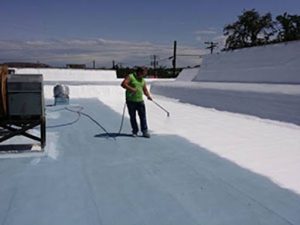
Once the roof qualifies for coating, it’s time to choose the system. Think of it as a “system,” not just one bucket of paint. Depending on the product and substrate, it may include a primer, detail reinforcement, a base coat, and a top coat. Our roof coatings page provides more information about commercial roof coating.
Silicone Coatings
Many silicone roof coatings tolerate ponding water and strong sun well. However, persistent standing water still deserves a drainage assessment. Confirm the selected product’s limitations and warranty terms rather than assuming every silicone coating is suitable for every ponding condition.
Acrylic Coatings
Acrylic roof coatings are commonly water-based and available in reflective white finishes. They can be a good value for roofs that drain well. Many acrylic systems are not intended for prolonged ponding water, so the product requirements matter.
Polyurethane (Urethane) Coatings
Polyurethane coatings can provide strong abrasion and impact resistance. They may suit roofs exposed to service traffic, depending on the system. Designated walkways may still be needed around rooftop equipment, and no coating makes a roof immune to hail or physical damage.
What About Elastomeric Coatings?
“Elastomeric” describes a coating’s ability to stretch and recover. It is not a separate coating chemistry. Acrylic, silicone, and polyurethane products can have elastomeric properties. This flexibility helps the coating accommodate normal roof movement through temperature changes.
Coating Thickness
Coating thickness is measured in “mils,” with one mil equal to one-thousandth of an inch. The required dry film thickness depends on the selected system, substrate, and applicable warranty requirements.
Applying too little material can reduce performance. Applying more than specified is not automatically better, because each product has application and curing limits. The proposal should state the required thickness and how it will be checked during installation.
Questions to Ask Before You Hire a Roofer
- How was my roof checked for moisture?
- What substrate do I have, and does it need a primer?
- Was an adhesion test completed, and what did it show?
- What dry film thickness does the coating system require?
- What warranty comes with the system, and what are its conditions?
A clear answer to each one helps you compare proposals and understand the work before it begins.
Get Expert Help from Outdo Commercial Roofing
Choosing the right commercial roof coating starts with the roof surface, moisture conditions, preparation needs, and compatibility of the proposed system. These factors should guide the recommendation for your Goshen building.
Contact Outdo Commercial Roofing or call 574-536-2823 to discuss your roof coating project and the next step.
FAQs
1. How do I know which commercial roof coating is right for my roof?
Start with your roof surface, how well it drains, and how much foot traffic it gets. Moisture evaluation and adhesion testing help determine whether the roof is suitable for coating and which compatible systems can be considered.
2. Can a roof coating go over any type of commercial roof?
Coating systems are available for many roofs, including metal, TPO, EPDM, asphalt, and spray foam. However, compatibility, moisture, surface condition, and preparation requirements must be checked. Some roofs need repairs or replacement rather than coating.
3. What happens if a coating is put over a wet roof?
Trapped moisture can contribute to blisters, loss of adhesion, and deterioration beneath the coating. Wet insulation and damaged roofing materials should be identified and replaced before the coating is applied.
4. Which coating is best for a flat roof with standing water?
Some silicone systems are suitable for ponding conditions, while many acrylic systems are not. The exact product’s requirements and warranty terms should guide the choice. Persistent ponding also needs a drainage assessment, because coating does not correct the underlying slope or drainage problem.
5. How long does a commercial roof coating last?
Service life depends on the coating system, installed thickness, preparation, drainage, exposure, and maintenance. Use the manufacturer’s guidance for the specified system rather than a single lifespan estimate for all coatings. Warranty length and actual service life are not the same thing.
6. When should I replace my roof instead of coating it?
If a large part of your roof is wet, sagging, or badly damaged, coating may not be enough. A coating works best over a sound roof assembly. Widespread moisture, structural damage, or extensive membrane failure may make replacement the more suitable choice.