
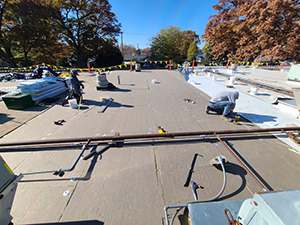
For commercial property owners in Franklin, IN, energy efficiency and long-term building performance have become central considerations during a commercial roof replacement project. Modern roofing technology has evolved beyond simply protecting structures from weather, it now plays a major role in reducing energy costs, improving indoor comfort, and extending roof lifespan. Cool roofing systems are increasingly chosen during commercial roof replacement because they reflect heat, reduce thermal stress, and support sustainable building management.
To learn more about advanced roofing solutions tailored for local businesses, commercial owners can contact Outdo Commercial Roofing at (574) 536-2823 for professional guidance and project planning.
What Makes a “Cool” Roof in Commercial Roof Replacement?
A cool roof is designed to reflect more sunlight and absorb less heat compared to traditional roofing materials. During a commercial roof replacement, contractors install specialized materials or coatings that minimize heat transfer into the building.
Two key characteristics define cool roofing systems:
Solar Reflectance: The ability of roofing materials to reflect sunlight rather than absorbing it as heat.
Thermal Emittance: The capacity of the roof surface to release absorbed heat quickly.
Together, these features keep rooftop temperatures significantly lower. Conventional dark roofs can reach temperatures exceeding 150°F during summer months, while cool roofing systems may remain 50–60°F cooler. For commercial buildings with large roof surfaces, this difference directly impacts indoor temperatures and cooling expenses.
Cool roofing solutions are particularly beneficial for warehouses, office complexes, retail centers, and manufacturing facilities where climate control represents a significant operational cost.
Energy Efficiency Benefits for Commercial Buildings
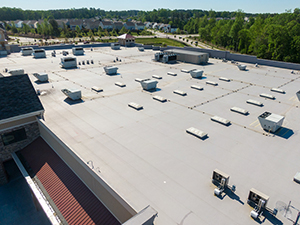
One of the biggest reasons building owners prioritize cool roofing during commercial roof replacement is energy savings. Roofs represent one of the largest exposed surfaces of any commercial structure, meaning they strongly influence overall energy performance.
Reduced Cooling Costs
By reflecting solar radiation, cool roofs reduce heat penetration, allowing HVAC systems to operate more efficiently. Businesses often experience lower electricity consumption during peak summer months.
Improved Indoor Comfort
Temperature consistency improves throughout the building, especially in upper floors or large open spaces that typically retain heat.
Extended HVAC Lifespan
Because cooling systems work less aggressively, mechanical wear decreases, helping extend equipment lifespan and reduce maintenance expenses.
Environmental Advantages
Cool roofs contribute to lower urban heat buildup and decreased carbon emissions, supporting sustainability initiatives many companies now prioritize.
When integrated into a commercial roof replacement strategy, cool roofing systems become both an operational improvement and a long-term financial investment.
Popular Cool Roofing Options in Commercial Roof Replacement
Commercial building owners have several material choices when upgrading to cool roofing solutions. The right system depends on building use, structural design, and climate considerations.
Single-Ply Membrane Roofing
Materials such as TPO and PVC membranes are widely used because of their naturally reflective white surfaces. These systems combine durability with strong energy performance.
Reflective Roof Coatings
In some replacement projects, reflective coatings enhance waterproofing while increasing solar reflectivity. They can be applied over compatible roofing assemblies to improve performance.
Modified Bitumen with Reflective Surfaces
Modern modified bitumen systems may include reflective granules or coatings that deliver traditional durability while improving heat resistance.
Metal Roofing with Reflective Finishes
Metal systems treated with specialized coatings reflect sunlight effectively while offering long service life and strong weather resistance.
Selecting the right cool roofing system requires professional evaluation of insulation needs, drainage performance, and building operations to ensure optimal results.
Planning a Cool Roofing Commercial Roof Replacement
A successful commercial roof replacement involves more than choosing materials, it requires strategic planning to minimize disruption and maximize performance.
Roof Assessment and Energy Analysis
Contractors evaluate existing insulation levels, moisture conditions, and energy performance to determine the most effective cool roofing solution.
Insulation Upgrades
Adding or replacing insulation during roof replacement significantly enhances energy efficiency and complements reflective roofing materials.
Installation Timing
Scheduling replacement during favorable weather conditions helps maintain project efficiency and avoid unnecessary business interruptions.
Long-Term Maintenance Strategy
Even advanced cool roofing systems benefit from regular inspections and preventative maintenance to sustain reflectivity and waterproof protection.
Commercial building owners who approach roof replacement as an energy optimization project often realize long-term operational savings that far outweigh initial installation costs.
Commercial Roof Replacement Experts
In Franklin, IN, commercial buildings experience seasonal temperature swings that place stress on traditional roofing materials. Investing in cool roofing during a commercial roof replacement helps businesses prepare for future climate challenges while improving efficiency today.
Commercial property owners seeking durable, energy-conscious roofing solutions can contact Outdo Commercial Roofing at (574) 536-2823 to explore professional options tailored to their facility’s needs.
FAQ
Are cool roofs suitable for all commercial buildings?
Most commercial structures benefit from cool roofing, especially buildings with large flats or low-slope roof systems.
Do cool roofs reduce maintenance needs?
They often experience less thermal stress, which can reduce cracking, material fatigue, and premature deterioration.
Will a cool roof work in colder climates?
Yes. Energy savings during warmer seasons typically outweigh minor heating impacts in colder months.
How long does a commercial roof replacement typically take?
Project timelines vary based on roof size, weather conditions, and material selection but are planned to minimize operational disruption.