
In Shelbyville, IN, sudden roof leaks can disrupt operations, damage inventory, and create safety risks within minutes. For commercial building owners, understanding how to respond during the critical first hour after discovering a leak can significantly reduce long-term damage and repair costs. Emergency commercial leak repair focuses on immediate stabilization, water control, and fast professional assessment to prevent a minor incident from becoming a major structural problem.
When urgent roofing issues arise, contacting Outdo Commercial Roofing at 574-536-2823 ensures trained professionals can quickly secure your building and limit business interruptions.
Emergency Commercial Leak Repair: The 60 Minutes That Matter Most
The first hour following a commercial roof leak is often the most important phase in damage control. Water intrusion spreads quickly through roofing layers, insulation, ceiling systems, and electrical pathways. What begins as a small leak can rapidly affect large portions of a building.
During this early stage, commercial property owners should focus on three priorities: safety, containment, and communication.
Safety First
Water entering a commercial facility introduces slip hazards and potential electrical risks. Areas beneath the leak should be cleared immediately, and exposed wiring or equipment must be avoided until professionals assess the situation.
Contain the Water
Temporary measures such as buckets, protective coverings, or relocating sensitive materials can reduce immediate losses. While these actions do not fix the problem, they prevent additional damage before emergency commercial leak repair specialists arrive.
Contact Professionals Quickly
Time is the greatest factor influencing repair costs. Rapid response allows roofing technicians to locate entry points, apply temporary waterproofing solutions, and stop active leaks before moisture spreads deeper into the structure.
What Professional Emergency Commercial Leak Repair Includes
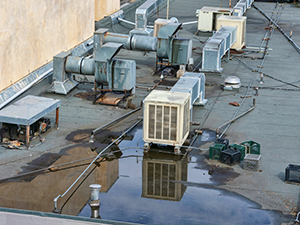
Emergency repair services go far beyond simply patching visible damage. Commercial roofing systems are complex assemblies, and water often travels away from the original entry point before appearing inside.
Professional emergency commercial leak repair typically involves:
Rapid Roof Assessment
Technicians inspect membrane seams, flashing areas, rooftop equipment penetrations, drainage systems, and storm-damaged sections to determine the true source of infiltration.
Immediate Waterproof Stabilization
Temporary sealing materials, protective coverings, or emergency patches are installed to halt active water intrusion. This step protects insulation layers and prevents structural saturation.
Moisture Detection
Advanced tools help identify hidden moisture trapped beneath roofing materials. Detecting moisture early prevents mold growth, insulation damage, and interior deterioration.
Damage Documentation
Commercial building owners benefit from documented findings that assist with insurance claims, maintenance planning, and long-term repair decisions.
The goal of emergency commercial leak repair is stabilization first, followed by a structured plan for permanent restoration once conditions allow.
Common Causes of Sudden Commercial Roof Leaks
Understanding why emergencies occur helps commercial property owners reduce future risks. Many roofing failures develop gradually but only become noticeable during severe weather or temperature shifts.
Storm Damage
High winds, hail, and heavy rain can loosen flashing, puncture membranes, or displace roofing components.
Aging Roofing Materials
Over time, UV exposure and thermal expansion weaken seals and membranes, allowing water entry points to develop unexpectedly.
Clogged Drainage Systems
Blocked drains create standing water, increasing pressure on roofing materials and accelerating leaks.
Rooftop Equipment Issues
HVAC units, vents, and skylights are frequent leak locations because movement and vibration gradually degrade seals.
Emergency commercial leak repair teams focus not only on stopping the leak but also identifying these underlying causes to prevent recurrence.
Fast Action Protects Your Business Operations
Commercial facilities rely on uninterrupted operations. A leaking roof can halt manufacturing, damage electronics, interrupt tenant activity, or force temporary closures. The financial consequences often extend far beyond repair expenses.
Quick emergency commercial leak repair helps businesses:
- Prevent inventory loss and equipment damage
- Reduce downtime and operational disruption
- Protect employee and customer safety
- Avoid costly structural repairs
- Maintain property value and compliance standards
Proactive response transforms an emergency into a manageable repair rather than a full roofing replacement project.
Equally important is establishing a response plan before an emergency occurs. Building owners who know whom to call and how to act during the first 60 minutes are far better positioned to minimize losses.
Emergency Commercial Leak Repair Experts
In Shelbyville, IN, commercial properties face unpredictable weather conditions that can trigger sudden roofing failures without warning. Having a trusted emergency response partner makes all the difference when minutes matter.
For rapid assistance and professional stabilization, commercial building owners can contact Outdo Commercial Roofing at 574-536-2823 to ensure their facilities remain protected, operational, and secure during unexpected roofing emergencies.
FAQ
What qualifies as an emergency commercial roof leak?
Any leak causing active water intrusion, safety hazards, or operational disruption requires immediate professional attention.
Should business operations stop during a roof leak?
Operations near the affected area should pause if safety risks exist, especially when electrical systems or equipment are exposed.
Can emergency repairs become permanent solutions?
Emergency measures stabilize the roof temporarily. A follow-up repair or restoration is usually required for long-term protection.
Will emergency leak repair help with insurance claims?
Yes. Professional documentation and rapid response often support smoother insurance reporting and claim verification.