

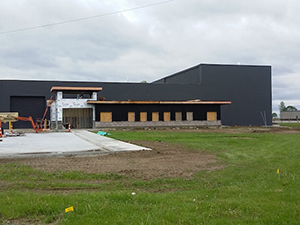
Choosing the right roofing system is a critical decision that impacts energy efficiency, maintenance costs, and long-term sustainability. Single-ply roofing has become a leading option for commercial properties due to its durability, lightweight design, and ability to support environmentally responsible building practices. As the industry continues to shift toward efficiency and performance, single-ply systems remain a reliable solution.
Outdo Commercial Roofing installs single-ply roofing systems for properties in Shelbyville, IN. Call 574-536-2823 to explore options that balance performance, efficiency, and long-term value for your building.
Selecting a system designed for both durability and sustainability helps ensure consistent protection while supporting modern construction standards and long-term operational goals.
Single-Ply Roofing Overview
Single-ply roofing refers to a category of roofing systems made from flexible, factory-manufactured membrane sheets. These sheets are installed in a single layer over commercial flat or low-slope roofs. The most common types include TPO (Thermoplastic Polyolefin), EPDM (Ethylene Propylene Diene Monomer), and PVC (Polyvinyl Chloride).
Each membrane type offers unique advantages, but they all share key benefits that make them ideal for modern commercial construction.
Core Characteristics of Single-Ply Roofing
- Lightweight and easy to install
- Highly flexible and adaptable
- Resistant to UV radiation and weather exposure
- Available in reflective, energy-efficient options
Because of these qualities, single-ply systems have become one of the most widely used commercial roofing solutions in North America.
The Role of Single-Ply Roofing in Sustainable Construction
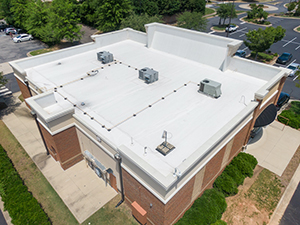
Sustainability is no longer just a trend in construction, it is a requirement for many commercial projects. Single-ply roofing contributes significantly to environmentally responsible building practices.
Energy Efficiency and Heat Reflection
One of the most important benefits of single-ply membranes is their ability to reflect sunlight. Lighter-colored membranes, especially TPO and PVC, reduce heat absorption and help regulate building temperatures. This reduces reliance on HVAC systems, lowering energy consumption and operational costs.
Reduced Material Waste
Single-ply systems are manufactured in controlled environments, resulting in consistent quality and reduced waste during production and installation. Their lightweight nature also reduces transportation emissions compared to heavier roofing materials.
Longer Roof Lifespan
A properly installed single-ply roof can last decades with minimal maintenance. Longer-lasting systems mean fewer replacements, which directly reduces landfill waste and material consumption over time.
Compatibility with Green Building Standards
Many single-ply roofing systems contribute to LEED certification and other green building programs. Their reflective properties and energy-saving benefits support sustainability goals for commercial properties.
Why Commercial Buildings Are Choosing Single-Ply Roofing
The shift toward single-ply roofing is driven by both practical and financial advantages. Commercial property owners are increasingly prioritizing systems that deliver long-term value with lower maintenance requirements.
Cost-Effective Installation
Compared to traditional multi-layer roofing systems, single-ply membranes are quicker and less expensive to install. This reduces labor costs and minimizes disruption to business operations.
Lightweight Structural Advantage
Because single-ply roofing is lightweight, it places less stress on building structures. This makes it ideal for both new construction and roof replacement projects where structural load is a concern.
Flexibility for Various Applications
Single-ply systems can be used on a wide range of commercial buildings, including warehouses, office complexes, retail centers, and industrial facilities. Their adaptability makes them a versatile choice for property owners.
Ease of Repair and Maintenance
When damage does occur, single-ply roofing is relatively easy to repair. Individual sections of the membrane can often be patched or replaced without requiring a full roof overhaul.
The Future of Commercial Roofing with Single-Ply Systems
As construction technology evolves, single-ply roofing continues to advance in performance, durability, and environmental impact. Manufacturers are constantly improving membrane formulations to enhance weather resistance and energy efficiency.
Advancements in Reflective Technology
Newer single-ply materials are designed with improved reflective coatings that further reduce heat absorption and increase energy savings.
Enhanced Durability Features
Modern membranes are being engineered to resist punctures, chemical exposure, and extreme weather conditions more effectively than earlier generations.
Integration with Solar Systems
Single-ply roofs are increasingly being used as platforms for solar panel installation, supporting the shift toward renewable energy in commercial buildings.
Smart Roofing Compatibility
Future developments may include sensor integration for leak detection and performance monitoring, allowing building owners to manage roof health more efficiently.
These innovations position single-ply roofing as a key component of sustainable commercial construction moving forward.
Single-ply Roofing Experts
Investing in single-ply roofing is a forward-thinking approach for businesses focused on sustainability, efficiency, and long-term cost control. These systems are designed to deliver reliable protection while supporting energy performance and reducing ongoing maintenance demands.
Outdo Commercial Roofing installs single-ply roofing systems for properties in Shelbyville, IN. Call 574-536-2823 to learn more about available options and choose a system built for long-term success.
A well-selected single-ply system helps ensure consistent performance, improved efficiency, and dependable protection as building needs evolve over time.
FAQ
What is single-ply roofing made of?
It is made from synthetic membrane materials such as TPO, EPDM, or PVC designed for commercial flat roofs.
Is single-ply roofing energy efficient?
Yes, its reflective surfaces help reduce heat absorption and lower cooling costs.
Can single-ply roofing be repaired easily?
Yes, damaged sections can often be patched or replaced without needing a full roof replacement.