

A roof leak at your business can’t wait. Water can soak ceilings, ruin stock, and make floors slick for workers and customers. Emergency commercial leak repair focuses on limiting water entry, protecting what’s inside, and preparing for a permanent repair. Contact Outdo Commercial Roofing at 574-536-2823 to discuss your leak and current service availability.
Leaks on low-slope roofs need repairs matched to the existing roof system. Our guide on flat roof repair in Evansville, IN explains this work in more detail.
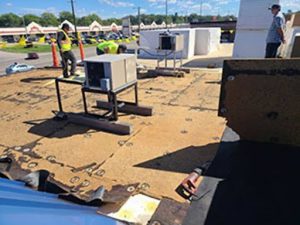
Why a Roof Leak Needs Fast Action
Water does not stay in one spot. It can run along the roof deck, soak insulation, and drip out far from where it entered. The longer water keeps entering, the more damage it can cause.
Here are a few things every building owner should know:
- Roof leaks can damage ceilings, interior finishes, inventory, and equipment.
- The EPA recommends drying wet materials within 24 to 48 hours to help prevent mold growth.
- Wet insulation can lose insulating performance and contribute to higher heating or cooling costs.
That’s why even a small drip deserves prompt attention.
What Emergency Leak Response Looks Like
When you call for help, the response should address these priorities:
- Listen and plan. Describe where the water is, how fast it is coming in, and what is underneath it.
- Check for safety. Identify slick floors, wet electrical equipment, and signs of a sagging ceiling or roof deck.
- Limit water entry. Temporary protection may be installed when safe access, weather, and roof conditions allow.
- Find the cause. Investigate where water is entering and how far it may have spread.
- Plan the permanent repair. Put the proposed work, materials, and any further investigation in writing.
When contacting Outdo Commercial Roofing, describe any immediate hazards and ask about response availability. Do not wait for a roofing visit to isolate an unsafe area or seek emergency help for an immediate danger.
Safe Containment: Protect People and Property First
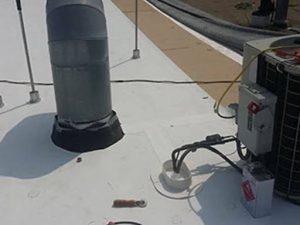
The first goal is to keep people safe. Property comes second.
What You Can Do Right Away
- Move everyone away from the wet area and put out wet floor signs.
- Stay clear of ceilings that sag or bulge. Block off the area below them because damaged ceiling materials could fall.
- Never touch wet outlets, light fixtures, electrical panels, or equipment. Do not stand in water near them.
- If water is near electrical equipment, keep people away and contact a qualified electrician or authorized electrical personnel. Do not approach wet equipment to disconnect it yourself.
- Move stock, files, and computers away from the drip only if you can reach them safely.
- Catch water with buckets or bins and cover items with plastic only where there is no overhead or electrical hazard.
- Take photos and videos from safe locations to document the damage.
Never go up on the roof during rain, ice, or high winds. Wet roofs are slick, and falls are a real risk. Leave roof access and repairs to trained professionals.
Temporary Protection on the Roof
Depending on the roof system, damage, and safe working conditions, temporary measures may include:
- Clearing blocked drains or scuppers when it is safe to do so
- Installing a suitably secured temporary covering or compatible patch
- Temporarily sealing an open seam or damaged flashing with a product approved for the substrate and application conditions
These steps help limit additional damage. They are not the final repair, and not every material can be applied to a wet roof.
Tracing the Entry Point
The drip inside is often not directly below the roof defect. Water can travel along the deck, insulation, or other building components before it becomes visible.
To investigate the source, a roofer may:
- Compare the interior leak location with the roof layout, slope, and possible water paths.
- Check flashing at walls, curbs, vents, and HVAC units.
- Inspect seams on single-ply roofs. On TPO roofs, an open or poorly bonded seam may need appropriate preparation, rewelding, or a compatible welded patch. Our guide on TPO roof repair in Evansville, IN explains these repairs.
- Look for ponding water, cracks, damaged blisters, and punctures from foot traffic or debris.
- Use suitable moisture meters or infrared scanning when further investigation is needed. These tools can identify suspected wet areas, but additional testing may be necessary to confirm the findings.
- Perform controlled water testing when appropriate, with precautions to avoid additional interior damage.
Finding the entry point helps address the cause rather than simply patching above the interior drip.
Permanent Repair Follow-Up
A temporary covering or emergency patch needs a permanent repair plan. Work should proceed when weather, access, and material requirements allow.
A sound repair plan should address:
- Repairing damaged areas with materials compatible with the existing roof system
- Removing and replacing wet insulation and deteriorated roofing materials where needed
- Checking nearby seams, flashing, and drains for related defects
- Documenting findings and completed work with photos and written notes
- Agreeing on any follow-up inspection and monitoring the interior leak area after rain
If the roof is old or has repeated leaks, the assessment should explain whether localized repair, restoration, or replacement is appropriate. A coating should only be considered when the existing roof qualifies and underlying defects have been addressed.
Common Causes of Commercial Roof Leaks
- Failed flashing around edges, vents, and rooftop units
- Open or weak seams
- Drainage problems and persistent ponding that expose weak roof details
- Clogged drains and gutters
- Punctures from foot traffic, tools, or storm debris
- Aging or deteriorated roofing materials
How to Lower the Risk of the Next Leak
- Schedule roof inspections in spring and fall, and after significant storms, following the requirements of your roof system and warranty.
- Keep drains, scuppers, and gutters clear.
- Limit roof traffic and use manufacturer-approved walkway protection near equipment.
- Address small defects before they become emergencies.
- Keep a simple leak response plan so staff know who to call, what areas to avoid, and what can be moved safely.
Need Emergency Commercial Leak Repair? Call Outdo Commercial Roofing
A leaking roof puts your building, stock, and business operations at risk. Prompt assessment helps establish what temporary protection and permanent repairs are needed.
Call Outdo Commercial Roofing at 574-536-2823 to discuss your emergency commercial leak repair needs, current availability, and the next step.
Frequently Asked Questions
1. What should I do first when my commercial roof starts leaking?
Move people away from the wet area and stay clear of any sagging ceiling. Do not touch wet electrical equipment. If water is near electrical items, isolate the area and contact qualified electrical personnel. Call a commercial roofer and document damage from safe locations.
2. Can I fix a commercial roof leak myself?
Leave roof access and repair work to trained professionals, especially during bad weather. Wet or damaged roofs create fall and structural hazards. A surface patch can also miss the actual entry point or be incompatible with the roof material.
3. Is a temporary patch enough to stop a leak?
A suitable temporary patch may stop or reduce water entry, but it does not replace a permanent repair. It needs monitoring, and the underlying damage should be assessed and repaired when conditions allow.
4. Why is the leak inside not right under the damage on the roof?
Water can travel along the roof deck, insulation, or other building components before dripping through the ceiling. Roofers compare the interior location with the roof layout and potential water paths to investigate the entry point.
5. How fast can mold grow after a roof leak?
Mold growth depends on moisture, materials, temperature, and other conditions. The EPA recommends drying wet materials within 24 to 48 hours to help prevent growth. Materials that cannot be adequately dried may need removal and replacement.
6. What happens after the emergency leak is under control?
The next step is to confirm the entry point, evaluate the extent of moisture damage, and prepare a permanent repair plan. This may include seam or flashing repairs and replacement of wet insulation. Request photos, written findings, and clear follow-up arrangements.