
Open seams, loose flashing around pipes and rooftop units, and standing water can all cause trouble on an EPDM roof. The rubber sheet matters, and so do the details that join it, hold it down, and keep water out.
If you’re planning EPDM roofing in Clarksville, IN, this guide explains what to look for, from membrane selection through the final review. The same considerations apply when comparing proposals for EPDM roofing in Evansville, IN. Have a question about your building? Call Outdo Commercial Roofing at 574-536-2823.
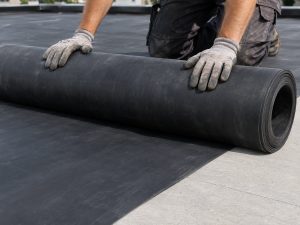
Material Benefits Only Hold Up When the Install Protects Them
EPDM has real strengths, but installation affects how well the roof performs:
- Flexibility in cold weather: The rubber stays flexible, but a poorly bonded seam can still pull apart.
- Resistance to sunlight and ozone: The sheet can withstand outdoor exposure, while flashing and seam details still need proper preparation and secure edges.
- A lightweight membrane: The sheet itself is light, but the weight of the complete assembly matters. Stone or pavers on a ballasted roof add substantial weight.
When you compare bids, ask how each proposal handles seams, attachment, flashing, and drainage.
Choosing the EPDM Membrane
Clarksville’s humid summers and winter freeze-thaw cycles make it worth looking at the whole roof assembly and how the building uses the roof. Compare these options:
- Thickness: EPDM is available in 60- and 90-mil options. Compare assemblies based on equipment service traffic, hail exposure, and their ratings. Walkway pads may also help protect routes that technicians use frequently.
- Reinforcement: Reinforced EPDM contains fabric that helps resist tearing. It is used in some mechanically attached systems. Follow the approved assembly when choosing between reinforced and non-reinforced membranes.
- Color: A white surface reflects more sunlight than black EPDM. The effect on cooling costs depends on the building, insulation, and cooling setup.
Seams: How They’re Built and Checked
EPDM comes in wide rolls, so most roofs have seams where sheets meet. Depending on the system, the seam tape may be factory-applied or installed on site. Both methods rely on correct preparation and pressure.
- Clean the overlap and allow it to dry as directed.
- Apply compatible primer and let it flash off according to the manufacturer’s instructions.
- Bring the sheets together over the tape and roll the seam with the specified tool.
- Reinforce T-joints and other transitions as required by the system.
Review finished seams for lifted edges, gaps, and other signs of poor contact. The manufacturer’s instructions determine how to check and repair a taped EPDM seam. Skipping primer or rushing the preparation can weaken the bond.
How the Membrane Is Attached
- Fully adhered: The membrane is bonded to an approved substrate, such as a suitable insulation board or cover board. The surface needs to be clean and dry, and the adhesive must be used within its application temperature range, at the specified coverage rate and open time.
- Mechanically attached: Plates and screws secure the membrane. The fastening pattern follows the approved assembly and the building’s wind design, including any additional fastening required at corners and edges.
- Ballasted: Stone or pavers hold a loose-laid membrane in place. The building structure must be able to support the added weight.
The deck, wind exposure, and approved roof assembly guide the choice. Cold weather can limit adhesive use, but the attachment method still needs to fit the building. Damaged decking should be addressed before the new roof is installed.
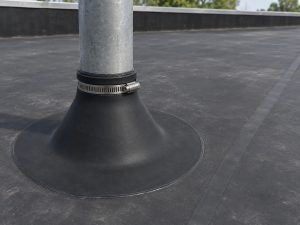
Penetrations: Pipes, Vents and Rooftop Units
Anything that passes through the roof needs a compatible flashing detail. The shape and spacing help determine the method:
- Pre-molded pipe boots: These fit round pipes within the boot’s size range when there’s enough clearance around the pipe.
- Field-fabricated flashing: Uncured EPDM can be shaped around irregular penetrations or pipe clusters when a standard boot won’t fit.
- HVAC curbs: Flashing runs up the curb and is secured at the top. Corners are finished according to the system detail.
- Walls and edges: A termination bar and compatible sealant may be used where the roof system calls for them.
Worn flashing is a common reason to investigate a leak on an older rubber roof. If you’re comparing options for EPDM roof repair in Evansville, IN, or Clarksville, ask how the repair will match the existing membrane and flashing. See Outdo’s commercial roof maintenance and repair services.
Drainage: What to Check Before Installation
A low-slope roof needs enough pitch to move water toward drains or scuppers. Substantial water still standing about 48 hours after rain is a reason to check the drainage. Review the requirements for the proposed system and warranty.
A drainage assessment can include:
- Checking the existing roof slope.
- Marking spots where water repeatedly collects.
- Reviewing drain heights, strainers, scuppers, and gutters.
The fix depends on the cause. Tapered insulation can create slope, crickets can steer water around rooftop units, and drain changes may help when the existing outlets are poorly placed or undersized.
What to Confirm at Closeout
Before work starts, confirm which checks and records are included at closeout. Useful items include:
- The membrane specification, including thickness, color, and reinforcement.
- The attachment method and fastening pattern, if applicable.
- How finished seams and flashing details will be checked and documented.
- Whether photos and drainage check notes are included.
- Applicable warranty paperwork and maintenance instructions.
Outdo Commercial Roofing offers EPDM and other single-ply roofing options. To discuss an EPDM project in Clarksville, call 574-536-2823 or contact us online.
Frequently Asked Questions
1. How long will my EPDM roof last in Clarksville, IN?
Service life depends on the membrane, installation, weather exposure, drainage, and maintenance. Well-bonded seams, secure flashing, and good drainage help keep water out. Ask for the warranty terms in writing and plan routine inspections in spring and fall, following any schedule required by your warranty.
2. Is EPDM a good choice for my commercial building?
It can be if an approved assembly suits your roof deck, wind exposure, rooftop service traffic, and drainage. Compare the complete system, including attachment and flashing, before choosing a membrane.
3. Where do EPDM roofs usually leak?
Seams, pipe and curb flashing, and roof edges are common places to look. Poor seam preparation, worn flashing, and recurring standing water can contribute to leaks. Addressing these issues early can help limit the damage.
4. Can EPDM go over my existing roof?
Sometimes. The existing roof and deck need to be suitable for a recover, and the proposed system must meet local code and manufacturer requirements. Check for trapped moisture and damaged materials before deciding whether to recover or tear off the existing roof.
5. Should I choose black or white EPDM?
A white surface reflects more sunlight than black EPDM. Whether that makes a meaningful difference in cooling costs depends on the building and its insulation and cooling needs. Compare the options available for the roof assembly you’re considering.
6. How much does EPDM roofing cost in Clarksville?
Cost depends on roof size, membrane thickness, attachment, tear-off, and insulation needs. Drainage changes and additional flashing also affect the total. An on-site assessment can help define the work before you compare quotes.