
Commercial roofing proposals can look similar at first glance while describing very different work. For building owners and property managers in Southern Indiana, the useful comparison is not simply which contractor submits the lowest number. It is whether each proposal clearly explains the roof conditions reviewed, the work included, the roofing system being proposed, exclusions, scheduling, property protection, and warranty responsibilities. Outdo Commercial Roofing serves commercial properties throughout Southern Indiana. Call (574) 536-2823 to discuss your roofing needs and the scope of an upcoming project.
How to Compare Commercial Roofing Services and Bids
Start by placing each written proposal side by side. A fair comparison requires enough detail to tell whether the contractors are pricing the same project. If one proposal is much lower or higher than another, the difference may come from scope, materials, preparation, access requirements, or work that has been excluded rather than from price alone.
| Bid Item | What to Verify |
|---|---|
| Confirmed services | Identify the exact work included, such as removal, repair, coating, single-ply installation, spray foam installation, standing seam work, skylight work, or other approved commercial roofing services. |
| Investigation scope | Ask what roof areas and visible conditions were reviewed before the contractor prepared the proposal, and whether any conditions still require further evaluation. |
| Material or system specification | Look for the proposed system, relevant materials, application or attachment approach, and other specifications needed to compare one proposal with another. |
| Exclusions | Confirm what is not included, especially concealed conditions, deck work, drainage-related work, access changes, or code-related work that may require separate approval. |
| Scheduling | Review the expected start window, estimated duration, sequencing, and how weather or other project conditions could affect the schedule. |
| Occupied-property protection | Ask how the contractor will manage access, work zones, debris, deliveries, tenants, employees, equipment, and other building operations during the project. |
| References | Request relevant examples or references for commercial projects with a similar roof type, building use, or scope when available. |
| Warranty responsibilities | Ask the contractor to identify any applicable workmanship coverage separately from manufacturer or system warranty terms, including important exclusions and owner responsibilities. |
Questions That Reveal Incomparable Roofing Bids
When two proposals do not line up, ask questions that force the differences into writing. What roof conditions led to this recommendation? Which repairs or preparation steps are included before the new system or coating is installed? What work is specifically excluded? If concealed damage is found after work begins, who documents it and how is additional work approved? Which parts of the proposal are allowances rather than fixed scope?
Material language deserves the same attention. If one contractor names a roofing system and preparation method while another leaves those details open, the bids are not yet equivalent. Ask both contractors to clarify the system being proposed, the work required to prepare the existing roof, and any conditions that could change the recommendation after the project starts.
Scheduling can also make two bids difficult to compare. One contractor may include staging around occupied areas, deliveries, or access restrictions while another may not. Building owners should understand how each contractor plans to sequence the work and what responsibilities the owner has for access, rooftop equipment, tenant communication, or other site coordination.
Workmanship and Manufacturer Warranty Responsibilities
Warranty language should be reviewed as written rather than assumed from a sales conversation. Contractor workmanship coverage and manufacturer or system warranty terms can address different responsibilities, and the details vary by project and roofing system. Ask each contractor to identify which warranty documents apply, who is responsible for installation-related issues, what maintenance or inspection requirements affect coverage, and whether exclusions or owner obligations are part of the terms.
A proposal should not be treated as stronger simply because it lists a longer warranty period. The useful comparison is what the written terms actually cover and what the building owner must do to maintain eligibility. If warranty information is not yet available at the bid stage, ask when it will be provided and what conditions must be satisfied before coverage takes effect.
Commercial Roofing Services for Southern Indiana
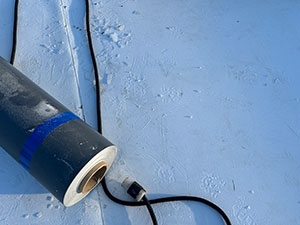
Outdo Commercial Roofing’s approved commercial scope includes acrylic coatings and restoration, single-ply installation for TPO, PVC, and EPDM systems, spray foam installation, standing seam metal installation and replacement, skylight installation and replacement, insurance claims support, commercial gutters, and general commercial roofing. The company serves Southern Indiana communities including Evansville, Bloomington, New Albany, Jeffersonville, Columbus, and other cities within its active service area.
If you are comparing contractors for a commercial roofing project, ask for enough written detail to understand what each proposal includes and what remains uncertain. A clear scope gives you a better basis for discussing materials, exclusions, scheduling, building protection, and warranty responsibilities before work begins. Call Outdo Commercial Roofing at (574) 536-2823 to discuss your commercial roofing needs.
Frequently Asked Questions
What should a commercial roofing bid include?
Look for the specific work included, investigation scope, roofing system or materials, exclusions, schedule, occupied-property protection, and applicable warranty responsibilities.
Why can two commercial roofing bids have very different prices?
The proposals may include different preparation, materials, repair allowances, access requirements, protection measures, or exclusions. Compare those details before treating the prices as equivalent.
What should I ask if hidden roof damage is discovered during the project?
Ask how the condition will be documented, who determines the recommended additional work, and how any change in scope or price must be approved before proceeding.
How should I compare workmanship coverage with a manufacturer warranty?
Review the written terms separately because they may cover different responsibilities. Confirm duration, exclusions, maintenance requirements, owner obligations, and who handles each type of issue.