
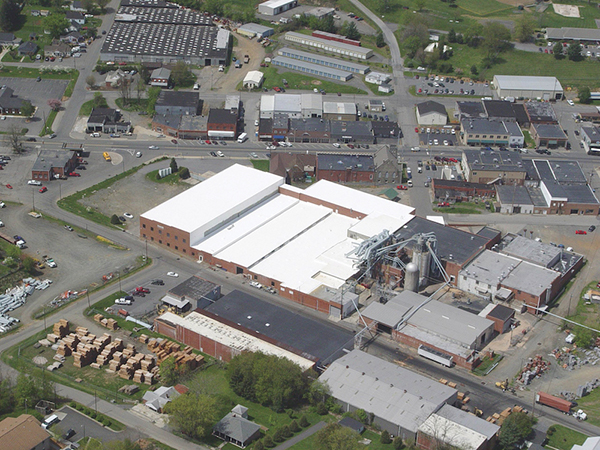
Commercial EPDM roofs in Evansville, IN can provide years of dependable service, but the membrane changes as it moves through the middle and later portions of its lifespan. UV exposure, surface oxidation, small cracks, and stress around seams can gradually weaken an aging rubber roof. Rubber roof coating adds a protective layer over a suitable EPDM membrane to slow deterioration and extend its useful service life.
Call Outdo Commercial Roofing at (574) 536-2823 for rubber roof coating in Evansville, IN.
Extending the Life of an Aging EPDM Roof
EPDM is a synthetic rubber membrane commonly installed on flat and low slope commercial buildings. Its flexibility makes it well suited to large roof areas, but constant exposure to weather gradually affects the membrane surface.
As an EPDM roof ages, owners may notice oxidation, minor surface cracking, or changes around seams and flashing. These conditions do not necessarily mean the entire roofing system has reached the end of its service life. If the membrane and underlying assembly remain sound, coating can provide another stage in the roof’s long term management plan.
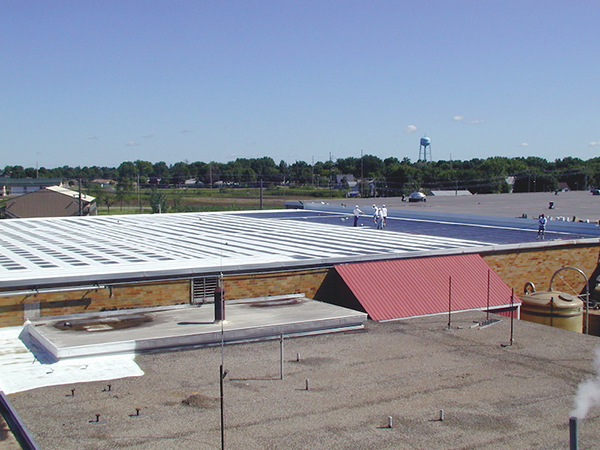
A fluid applied coating covers the prepared membrane and creates a new weather resistant surface. This layer protects the original rubber from direct exposure and can help preserve roofing materials that still have years of functional life remaining.
How Rubber Roof Coating Protects the Membrane
Sunlight is a persistent source of aging for exposed commercial roofing. Ultraviolet radiation can gradually affect the surface of an EPDM membrane, contributing to oxidation and reducing its flexibility over time.
A reflective roof coating creates a barrier between the membrane and direct sunlight. By restoring surface reflectivity, the coating reduces the amount of solar energy absorbed by the roofing surface while protecting the rubber membrane beneath it.
Coating also covers minor surface irregularities that can otherwise become more vulnerable as the roof continues aging. Before application, seams, flashing, penetrations, and other details should be evaluated and prepared so the finished coating works as part of a complete protective surface.
The result is an additional layer that receives ongoing environmental exposure instead of leaving the original membrane directly exposed throughout the remainder of its service life.
Roof Condition Determines Coating Potential
Timing has a major influence on how effectively coating can extend roof life. A roof that has reached its middle or later years but remains structurally sound can be a good candidate. The objective is to protect the membrane before deterioration progresses beyond the point where restoration remains practical.
Active problems should be evaluated before coating begins. A coating should not simply be applied over unresolved leaks with the expectation that the material will correct every underlying issue. Water intrusion may originate from damaged seams, flashing, penetrations, or other conditions that require repair first.
The condition beneath the membrane also matters. If moisture has affected significant portions of the roofing assembly, additional investigation may be necessary to determine whether coating remains appropriate.
Evaluating these conditions allows building owners to determine whether there is enough serviceable roofing material remaining to benefit from a protective coating.
Recoating Creates a Longer Management Timeline
One of the major advantages of longevity is the opportunity for future renewal. A qualifying coating system can provide warranty coverage for a defined period while protecting the existing membrane.
As that warranty period approaches its end, the coated roof can be evaluated again. If the surface remains suitable, another coating can be applied to renew protection and potentially obtain another warranty period.
This renewable cycle can push the replacement decision farther into the future without requiring a complete tear off at the end of every coating term. Building owners can incorporate inspections, maintenance, repairs, and planned recoating into a long-term strategy for managing the existing roof.
Maintaining records throughout each cycle also provides a clearer picture of how the roof is aging and whether future recoating remains appropriate.
Extend Rubber Roof Life in Evansville
Applying a coating at the right stage can protect an aging EPDM membrane from continued environmental exposure while creating a renewable pathway for future service life. Outdo Commercial Roofing helps commercial property owners evaluate existing rubber roofs and determine whether coating is appropriate.
For rubber roof coating in Evansville, IN contact Outdo Commercial Roofing at (574) 536-2823 today.
FAQ
How many additional years can rubber roof coating add to an EPDM roof?
The amount of additional service life depends on the coating system, existing roof condition, application quality, maintenance, and environmental exposure. Warranty terms can provide a defined period of coverage for qualifying systems.
Does an EPDM roof need to meet certain conditions before coating?
Yes. The existing roof should have enough structural integrity and serviceable material remaining to support restoration. An evaluation can identify conditions that require correction before coating begins.
Can rubber roof coating be applied if the roof has active leaks?
Active leaks should first be located and their underlying causes addressed. Repairs and proper surface preparation are necessary before applying a coating intended to provide long-term protection.