
 Managing a large commercial building comes with many responsibilities, and one of the most important is maintaining a reliable roof. Commercial roofing systems protect tenants, equipment, inventory, and the structural integrity of the property. For property managers and building owners in Shelbyville, IN, understanding how commercial roofing works can help prevent costly problems and extend the life of the roof.
Experience matters with large buildings. Call Outdo Commercial Roofing at 574-536-2823 today for roofing services you can trust.
Commercial Roofing for Large Buildings: What Property Managers Should Know
From warehouses and manufacturing facilities to office buildings and retail centers, large commercial structures require specialized roofing systems and experienced contractors who understand the challenges involved.
Commercial Roofing for Large Buildings Is Different
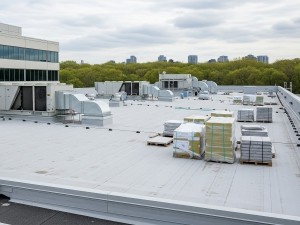
Large buildings place unique demands on roofing systems. Unlike residential roofs, commercial roofs typically cover thousands or even tens of thousands of square feet. Many are designed as low slope or flat roofs, which means proper drainage and membrane performance are critical.
These roofing systems must handle constant exposure to sun, wind, rain, and temperature changes. In Indiana, freeze thaw cycles can also impact roofing materials and seams. Because of this, commercial roofing systems are engineered differently and require contractors with specialized experience.
Professional commercial roofing companies understand how to manage large scale installations, address structural considerations, and ensure long term performance.
Common Commercial Roofing Systems for Large Buildings
Several roofing systems are commonly used on large commercial properties. The right option depends on the building structure, insulation needs, and long-term goals.
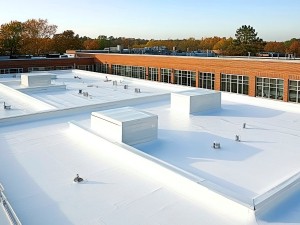
- TPO Roofing: Thermoplastic polyolefin roofing is one of the most popular commercial roofing systems today. It provides strong seam performance, energy efficiency, and excellent resistance to UV exposure.
- EPDM Rubber Roofing: EPDM roofing membranes are known for their durability and flexibility. They perform well in climates with temperature fluctuations and are often used on large warehouses and industrial roofs.
- PVC Roofing: PVC membranes offer excellent chemical resistance and strong seams, making them a good choice for restaurants, manufacturing facilities, and buildings with grease or chemical exposure.
- Metal Roofing Systems: Standing seam metal roofs are another durable option for large commercial buildings. These systems can last decades when properly installed and maintained.
- Fluid Applied Roofing Systems: Roof coatings and fluid applied membranes can restore aging roofs and extend service life without requiring a full replacement.
An experienced commercial roofing contractor can evaluate the building and recommend the best solution for long-term performance.
Roofing Challenges for Large Commercial Buildings
Large buildings often present challenges that smaller structures do not face. One of the most common issues is drainage. Because many commercial roofs are low slope, water must be directed toward drains and scuppers. If drainage systems become blocked or damaged, ponding water can lead to premature roof failure.
Another challenge is roof traffic. HVAC technicians, maintenance teams, and contractors often walk across the roof surface to service equipment. Over time, this foot traffic can cause punctures, seam separation, or membrane wear.
Large roofs also contain many penetrations such as vents, skylights, and mechanical units. Each penetration requires proper flashing to prevent leaks. If flashing deteriorates, water infiltration can occur.
 Planning Commercial Roofing Budgets
For property managers overseeing large facilities, budgeting for commercial roofing projects is essential. Waiting until a roof fails can lead to emergency replacement costs and unexpected disruptions.
Instead, many property owners plan for roofing expenses years in advance. Regular inspections can identify early warning signs such as seam failure, membrane aging, or insulation damage.
By addressing smaller issues early, building owners can often extend the life of the roof and delay major replacement projects. Preventative maintenance programs are one of the most effective ways to manage roofing costs over time.
The Importance of Regular Roof Inspections
Routine commercial roof inspections are critical for large buildings. Professional inspections help identify problems that may not be visible from the ground.
A commercial roofing contractor typically checks:
- Membrane condition
- Flashings and penetrations
- Drainage systems
- Ponding water areas
- Signs of punctures or seam failure
Early detection allows repairs to be completed before leaks develop or structural damage occurs.
Most commercial roofs should be inspected at least once per year and after major storms.
Commercial Roofing Services in Shelbyville, IN
If you manage a warehouse, office building, manufacturing facility, or retail center in Shelbyville, IN, protecting your roof should be a top priority. Large commercial roofs require specialized knowledge, routine inspections, and professional maintenance to prevent costly problems.
Outdo Commercial Roofing provides expert commercial roofing services for property owners and facility managers throughout Shelbyville, Indianapolis, Greensburg, Franklin, and surrounding Indiana communities. Whether you need inspections, repairs, maintenance, or full commercial roof replacement, our team is ready to help protect your building and extend the life of your roof. Call 574-536-2823 and speak with an expert today.
FAQ
What is the typical lifespan of a commercial roofing system?
The lifespan depends on the roofing material and maintenance. Many commercial roofs last between 20 and 40 years when properly installed and maintained.
Can a commercial roof be repaired instead of replaced?
In many cases, yes. If the roof structure and insulation are still in good condition, repairs or restoration systems such as coatings may extend the roof’s life.